




AARP Hearing Center









































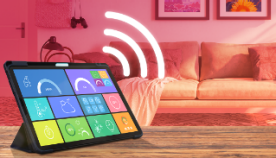












Background
Telehealth uses communications technology to deliver health care, health information, and health education at a distance. Telehealth is a more universal term for the current array of services provided. Another term, telemedicine, typically refers only to physician services. These services can also be used in long-term services and supports and home- and community-based services settings.
Telehealth encompasses four distinct applications:
- Live video (synchronous): This is a live, two-way interaction between a provider and a patient, caregiver, or another provider using audiovisual telecommunications technology.
- Store-and-forward (asynchronous): Recorded health history (for example, pre-recorded videos and digital images such as x-rays and photos) is transmitted through a secure electronic communications system to a practitioner.
- Remote patient monitoring (also known as RPM): Personal health and medical data is collected from an individual in one location via electronic communication technologies and is then transmitted to a provider (sometimes via a data processing service) in a different location for use in care and related support.
- Mobile health (also mHealth): Health care and public-health practice and education is supported by mobile communication devices such as cell phones, tablet computers, and personal digital assistants.
The use of telehealth services expanded rapidly during the COVID-19 public-health emergency and have continued to be widely used. However, several factors limit their ability to reach individuals. The lack of high-speed broadband service in many sparsely populated areas and the inability of clinicians in some states to work across state lines are two common barriers. In addition, while Congress expanded Medicare’s coverage of telehealth during the public-health emergency, most of the expansions for services other than mental health services are temporary, scheduled to end on December 31, 2024.
Services provided by telehealth have great potential to help consumers more easily connect with various health care clinicians, maintain their quality of life, and remain in their communities longer by providing an opportunity to manage their care. Telehealth gives people the ability to schedule health-related appointments, request prescription refills, and can provide reminders to take medications. Telehealth can also support family caregivers’ efforts to care for their loved ones.
Telehealth could help alleviate workforce shortages and improve access to health care.
TELEHEALTH: Policy
TELEHEALTH: Policy
Telehealth access
Federal and state governments should encourage coverage and payment of telehealth services for eligible beneficiaries to improve access and the quality of care. This should include eliminating unnecessary restrictions that limit beneficiary access. Doing so would allow patients to remain safely in the community and assist with care transitions from institutional to community settings.
Audio-only appointments and remote patient monitoring should be covered to ensure broad patient access, while continuing to promote broad access to virtual video appointments.
Federal and state policymakers should remove geographic restrictions on coverage for telehealth services.
Federal and state policymakers and the private sector should provide funding to ensure that households with low and moderate incomes can afford high-speed internet service and equipment for telehealth services. This is critical during a public-health emergency. As evidenced by applications, interest in such service has far exceeded available funding for the Federal Communication Commission’s Pilot Telehealth Program.
Federal and state policymakers should facilitate the adoption of appropriate telehealth services by providers serving underserved populations. This includes pilot programs like the Federal Communication Commission's 2020 pilot telehealth program. Policymakers should analyze the results of any pilot programs to inform future policymaking.
Services provided by telehealth should offer quality and ensure that patient-related records and communications are protected from fraud (see also Quality Improvement in Medicare and Privacy, Confidentiality, and Security of Health Information).
Telehealth clinicians should be required to follow all standards of care and regulations appropriate to their profession and inform patients of their credentials.
Policymakers should ensure that individuals have access to the technologies that enable telehealth (see also High-Speed Internet Services). The mode of care provided to the individual should align with the preferences of the person and their family caregiver and be appropriate to meet their needs.
Payment for telehealth
Payment for telehealth services should be sufficient to incentivize telehealth use by providers and raise value for patients.
Public and private payers should thoughtfully consider how to reimburse clinicians and other telehealth providers. This includes accounting for the cost of providing telehealth, the need to support patients’ ongoing access to telehealth with compensation that fairly rewards its use, the need to avoid unnecessary additional costs, and the efficiencies telehealth may afford.